Construction Project Regulations in Kenya A Comprehensive Guide for Developers.

Table Of Contents

Why Compliance in Construction Matters

Construction projects in Kenya must follow strict rules, and contractors need to manage this complex regulatory environment carefully.

Proper compliance lowers risk, protects investments, and ensures that buildings meet national safety and quality standards.

Doing things by the book is not optional — it’s the foundation for successful, legally sound, and durable development.

H2: The National Construction Authority (NCA): Role and Oversight

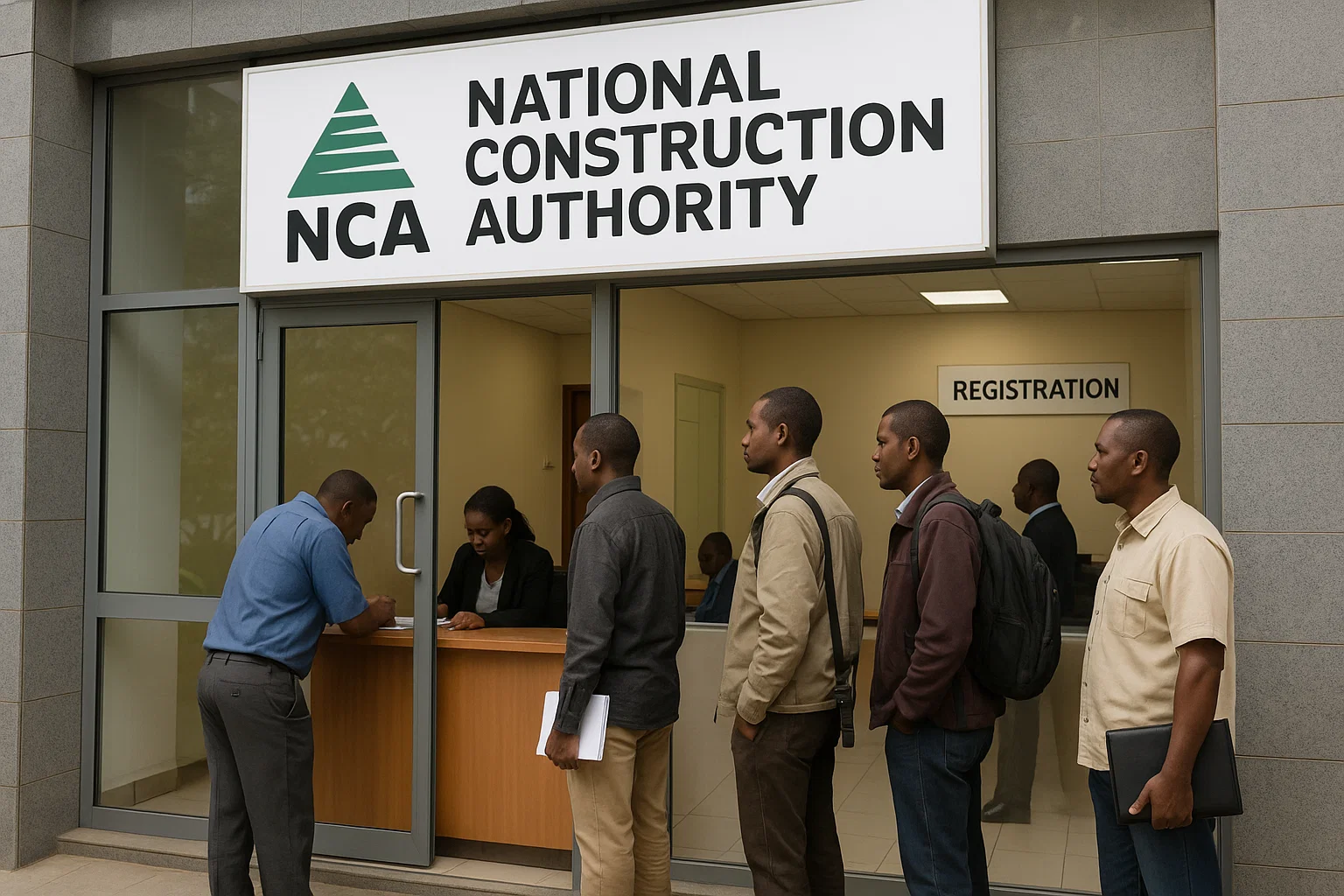
The National Construction Authority (NCA) is the central regulatory body overseeing Kenya’s construction sector.

It ensures professionalism, safety, and quality across all construction activities.

NCA’s Core Functions

  • Registers and classifies contractors
  • Inspects construction sites for compliance
  • Enforces the Kenya Building Code
  • Provides professional training and industry development programs

The NCA promotes safe construction and sets a unified standard for all players in the industry.

Registration and Compliance Requirements

Before starting any building project in Kenya, contractors must register with the NCA.

What Is Required:

  • A valid National Construction Authority certificate
  • Environmental Impact Assessment (EIA) approvals
  • Proof of qualified personnel
  • Adherence to safety standards on-site

Non-compliance can result in fines, legal action, or demolition orders.

FoyxuNS.webp

H2: Building Skills Through NCA Training

The NCA runs training programs and workshops that help contractors stay compliant with updated laws and technical best practices.

These sessions cover:

  • Sustainable building techniques
  • Health and safety protocols
  • Regulatory changes and industry updates

They also encourage professional networking and long-term growth.

FoyxFtt.webp

Legal Frameworks Developers Must Understand

Complying with the law requires contractors to understand the full legal environment:

Key Areas to Know

  • National Construction Authority Act
  • Environmental Management and Coordination Act
  • Kenya Building Code
  • Occupational Safety and Health Act
  • County-level planning and permit laws

Breaking these laws can halt a project or result in court action.

FoyxcKb.webp

Construction Permits in Kenya

Getting construction permits is a non-negotiable step.

Types of Required Permits

  • Planning Permission
  • Building Permit
  • Environmental Impact Assessment License

Every application needs full architectural plans and project documentation.

Expert consultants can speed up approvals and reduce compliance risks.

FoyxqVn.png

Environmental Impact Assessments (EIAs)

EIAs are mandatory for large-scale construction in Kenya.

They ensure environmental sustainability and align with the Environmental Management and Co-ordination Act.

What an EIA Involves:

  • Impact analysis on local ecosystems
  • Stakeholder consultation and public input
  • Mitigation plans for risks
  • Compliance monitoring during and after construction

Failure to comply may result in fines or work stoppage.

FoyxGRV.png

Health and Safety Compliance

Kenya enforces strong occupational health and safety laws for construction sites.

Key Regulations

  • OSHA 2007 – Workplace safety protocols
  • WIBA 2007 – Injury compensation framework
  • PPE Requirements – Mandatory equipment for all workers
  • Regular Risk Assessments – Site-specific hazard reviews

The Directorate of Occupational Safety and Health Services (DOSHS) oversees enforcement.

Foyxllj.png

H2: Land Use and Zoning Regulations

Before breaking ground, developers must comply with county-level land use plans and zoning laws.

These regulate:

  • Land usage (residential, commercial, industrial)
  • Building density and height
  • Distance from roads and boundaries

Zoning approvals must align with local development goals and spatial plans.

Foyo4Fj.webp

Strategic Urban Planning

Strategic planning ensures developments align with national goals such as:

  • Kenya Vision 2030
  • County Integrated Development Plans (CIDPs)
  • Urban Areas and Cities Act
  • Physical Planning Act

These frameworks promote sustainable and balanced urban growth.

FoyxSON.png

Restrictions and Allowances in Construction

Kenya’s rules place both limits and incentives on construction projects.

Common Restrictions

  • Structural limits
  • Safety and fire code compliance
  • Environmental protection
  • Public utility access

Possible Allowances

  • Tax relief for green building
  • Fast-tracked permits for sustainable projects

These rules ensure orderly growth while encouraging innovation.

Changing Building Use

If you want to change a building’s purpose (e.g., from residential to commercial), you must follow formal steps:

Process Overview

  • Submit a formal application to your county
  • Provide proof of NCA certification and ownership
  • Go through public participation
  • Get physical planning review
  • Await approval or rejection with feedback

Missing any of these steps can delay projects or lead to penalties.


Construction Quality Control and Standards

  • Proper material testing
  • Skilled workmanship
  • Consistent inspections and approvals
  • Adherence to both local and global benchmarks
Foyx7Ve.png

KEBS Certification Requirements

All construction materials must be certified by KEBS:

  • Materials need the Diamond Mark of Quality
  • Imported goods must have the Import Standardization Mark (ISM)
  • Contractors face site audits and surprise inspections

Violations can result in large fines or blacklisting.

NCA Materials and Workmanship Guidelines

The NCA requires:

  • Use of high-grade, approved materials
  • Compliance with NCA workmanship guidelines
  • Site supervision by qualified professionals
  • Documentation of procurement and testing

This ensures structures are safe, strong, and compliant.

H2: Regular Project Inspections

Regular site inspections are mandatory.

They help:

  • Spot issues early
  • Track progress against safety and quality goals
  • Maintain accurate compliance records
  • Avoid penalties or project shutdowns

Inspections should be documented and conducted by certified personnel.

Foyx4WX.png

Final Tip:

Stay informed. Laws and regulations evolve.

Contractors registered with the National Construction Authority Kenya should track updates and adjust their methods to remain compliant — because following the rules protects both the project and the people